Navigating College With Cerebral Palsy: Lessons From My Journey
- jhuang647
- Dec 8, 2025
- 2 min read
I always knew college would be different from high school, but I don’t think I understood just how different it would feel until I lived it. In high school, my schedule was structured. Teachers knew me well. People were used to my needs and my routines. There was a sense of predictability.
College, on the other hand, introduced a new level of independence I had never experienced before. Suddenly, I was managing assignments, long days, friendships, planning my own schedule, and creating space for my medical needs: all without the built-in support systems that had existed since childhood.
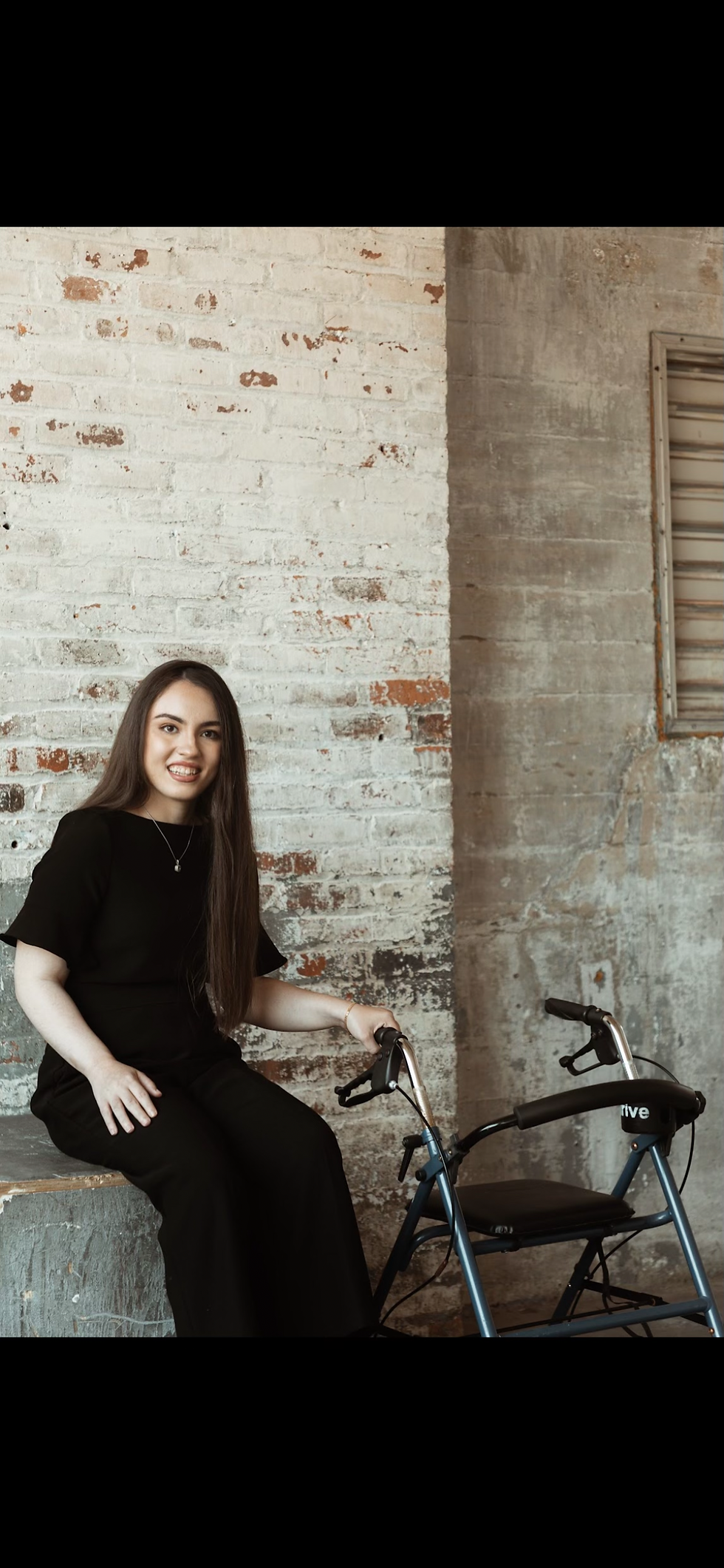
When I started at St. Francis College, I felt ready academically. But socially and physically, it took time to adjust. I couldn’t simply “leave my CP at home.” I carried it with me everywhere I went. I had to think about transportation, fatigue, time management, accessibility beyond the campus entrance,, and what my body needed to get through the day. I had to communicate with professors about accommodations, learn how to balance work and school, and make decisions based on how to protect my health.
One of the biggest shifts from high school to college is that no one proactively checks in on you. You have to take charge of your own supports. You learn to communicate your needs clearly. You also learn that advocating for yourself isn’t a burden it’s a skill you carry for life.
There were moments of doubt, moments where I thought I was pushing too hard, moments where I questioned if I belonged in certain spaces. But there were also moments of pride: joining campus activities, working jobs, expanding my network, and discovering strengths I never knew I had. College taught me how to navigate life on my terms, not someone else’s.
Here is some advice I would share with those who have CP who are thinking about college or attending soon:
• Don’t be afraid to ask questions and repeat them until you get answers.
• Build routines that help you manage your energy and physical needs.
• Talk to your professors early
• Take disability support as a resource, not as something to “earn.”
See your disability as I said, it could present opportunities for school projects, and building your network.
Continue to assure those around you that you got this
• And most importantly, give yourself credit. Moving through higher education with CP is an achievement all on its own.



Comments